
Coaching
From Surviving to Helping Others: My Journey Back to Self
Emotional pain, a near-death accident, and the slow work of rebuilding my life shaped the way I support women today. But you do not need to reach a breaking point to begin choosing yourself.
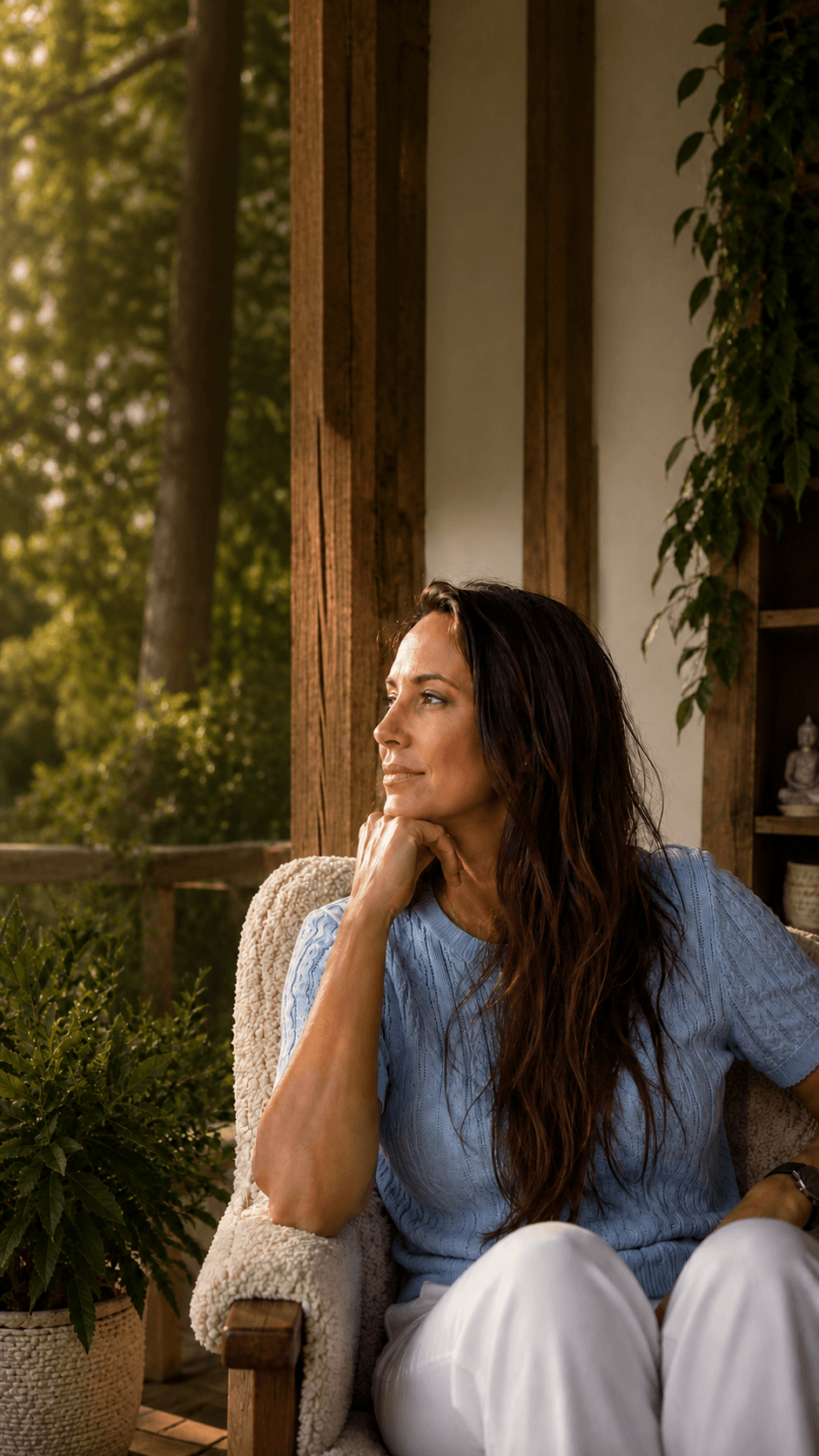
I knew how to keep going
For years, I knew how to keep going. What I did not know was how to stop leaving myself behind.
Maybe you recognise that difference. You can meet your responsibilities, care for people, and appear capable while quietly wondering why you feel so far away from yourself.
My story began in Portugal, with family rejection and experiences of emotional and physical abuse. I carried shame and searched for somewhere I belonged. Being strong became a way to survive.
Moving to Canada was an act of courage and self-rescue. But a new country did not erase the ways I had learned to protect myself. I still tried to earn love by giving more, asking for less, and proving that I could manage.
Changing where I lived was one beginning. Changing how I treated myself was another.
Then my life stopped in a different way
At 38, a near-death car accident left me with a fractured spine, a head injury, and other serious injuries.
Recovery meant rebuilding my body. It also brought questions about the life I was rebuilding: what I believed, what mattered to me, and who I was beyond the woman who could always carry on.
I do not want to turn that accident into a neat lesson or suggest that suffering is something we need. It was part of my life, not a requirement for anyone else's growth.
You do not have to wait for a crisis to take your exhaustion seriously. A quiet feeling that something needs to change is worth listening to, too.
The rebuilding no one could measure
Movement, martial arts, yoga, reflection, meditation, and spiritual study became part of my journey. These were elements of my personal experience, not a prescription for someone else's recovery.
At 43, I surpassed my pre-accident athletic records and achieved a top-10 finish in a Spartan competition. That milestone mattered to me.
But there was another kind of progress that could not be measured by a race result: learning to hear my needs, respect my limits, and trust my own voice.
Physical achievement was not proof that I had become more worthy. I had been worthy of care before the accident, during recovery, and on the days when progress was difficult to see.
My worth did not depend on what I could endure.
Healing did not mean I would never hurt again
There were still heartbreaks, disappointments, and dreams that did not unfold as I had hoped. After so much inner work, I still found myself asking how I could have come so far and still hurt so deeply.
That question helped open the door to Journey Back to Self.
I wrote because I wanted to tell the truth about the space between surviving and becoming. Not the polished version, where every painful chapter has an obvious purpose. The human version, where we learn, struggle, return, and begin again.
If an old feeling comes back, it does not erase every choice you have made since. You can acknowledge that something hurts without deciding that all your progress was imaginary.
Finding light in the way I help
Today, I am a coach, speaker, author, and creator of The Return to Self Method. My experiences shaped the compassion I bring to this work. They did not give me the right to assume I know another woman's story.
I know what it means to look strong while longing for support. That is why listening matters to me. Why I want room for honesty, not another expectation to perform. Why the work begins with the woman in front of me, rather than a version of her I think she should become.
For me, moving toward the light is not about pretending the darkness never existed. It is about the way I choose to live now: with more truth, more compassion, and a desire to help others feel less alone.
My pain is not my qualification on its own, and helping others is not something I had to do to make my life worthwhile. It is a direction I have chosen.
You do not owe the world a beautiful outcome from your hardest experience.
Your next chapter can begin quietly
Your life does not need to resemble mine for something here to feel familiar. Your transition may be a separation, a change in work, a shift in family life, or simply the realisation that the old way of carrying everything no longer fits.
The Return to Self Method follows RETURN: Recognize, Explore, Tend, Unlearn, Rebuild, and Navigate. These are not boxes a woman must complete before she is allowed to feel better. They offer a way to reflect on where she is and what she needs.
Perhaps today your step is telling yourself the truth. Perhaps it is asking for appropriate support, making space for rest, or noticing one decision where you would usually dismiss your own needs.
You do not need to become a speaker, write a book, or help anyone else for your return to matter. A life in which you can hear yourself more clearly is already meaningful.
What is one small choice that would help you feel more on your own side today?
Coaching is not crisis care
Trauma-informed coaching does not replace therapy, medical care, or emergency support. It can offer reflection, practice, and accountability for women who are stable enough to work on patterns, choices, and self-connection.
A thought to keep
Women’s healing coaching can support self-trust, boundaries, receiving, and personal transformation when a woman is stable enough for reflection and practice but ready to stop carrying everything alone.
Key takeaways
- A transition can be internal even when life looks stable from the outside.
- Trauma-informed coaching works with patterns, choices, self-trust, and support; it is not crisis care.
- The right next step can be a free consultation, a workbook, or slow reflection before coaching.
A gentle practice
- Name one thing that is changing in your life and one thing you would like to feel more supported with.
- List the support you already have and what is missing. Consider whether you need practical help, coaching, or support from a qualified health professional.
- Choose one low-pressure next step, such as asking a question or speaking with someone you trust. You do not need to commit to a programme today.
Take only what feels useful. You can pause or leave a reflection for another day.
Common questions
What is women’s healing coaching for women in transition?
It is coaching for women navigating internal or external change who want support rebuilding self-trust, boundaries, receiving, and connection to themselves.
What does trauma-informed coaching mean?
It means the coaching respects how survival patterns can shape behavior and does not treat those patterns as personality flaws.
When is coaching not the right support?
Coaching is not the right support for crisis care, medical care, therapy needs, or unsafe situations requiring emergency support.
Related reflections
Transformation
The Return to Self Method: An Introduction to RETURN
There comes a moment when we realize we don't need to become someone new. We only need to return.
My Story
Why I Wrote Journey Back to Self
Some books are written because we have something to say. This one was written because I had no other choice.
Ready to begin your own return?
Start with the free workbook or book a consultation to explore whether coaching is the right next step.